On May 6th, our industry celebrates a machine that quietly changed modern life.
Not the smartphone.
Not the automobile.
The refrigerator.
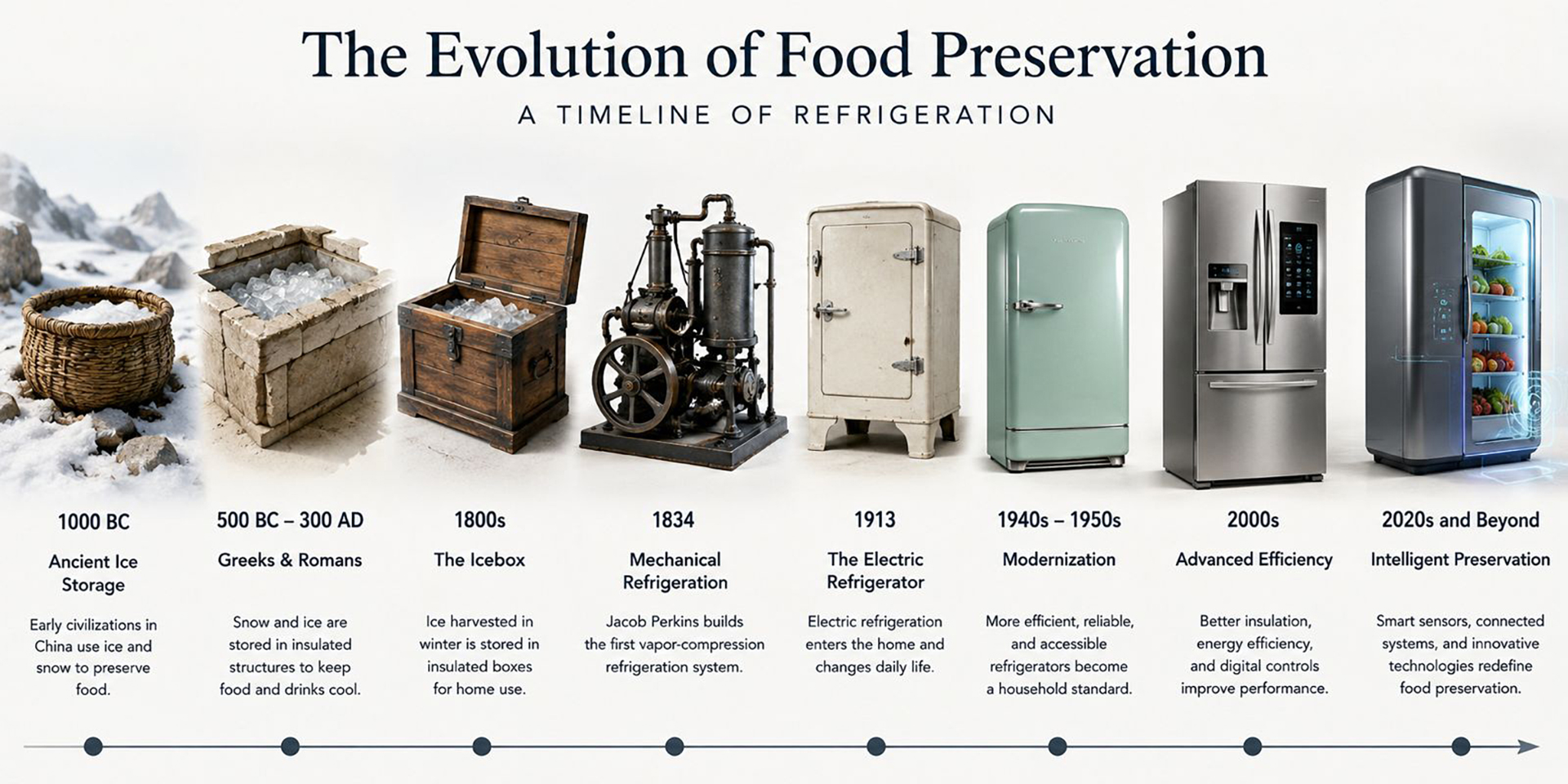
Long before compressors, refrigerants, and modern cooling systems, humanity was already obsessed with one problem: preserving food.
We have historical sources suggesting that refrigeration for food preservation purposes began in China around 1,000 BC. Civilizations such as the Greeks and Romans stored snow and ice inside insulated spaces to keep food fresh for longer periods.
For centuries, preservation depended on climate, geography, and ingenuity. Ice blocks, underground storage, salting, drying, smoking: every society developed its own methods to slow decay and extend freshness.
Then refrigeration changed everything.
It altered food distribution, urban development, public health, domestic life, and eventually global consumption habits. What started as a preservation necessity became one of the technologies that shaped modern civilization itself.
What makes this anniversary interesting today is not history alone.
Food preservation is changing again.
And this time, cooling alone is no longer the whole story.
Inside laboratories, food plants, packaging companies, and research centers, new technologies are extending shelf life without relying only on temperature. High-Pressure Processing, antimicrobial packaging, nanosensors, oxygen barriers, intelligent monitoring systems: the preservation chain is becoming more advanced, more connected, and far more strategic than it was even a decade ago.
For refrigeration professionals, this matters more than it may initially seem.
The refrigerator is slowly shifting from appliance to ecosystem.
That transition will influence product design, food logistics, energy management, user expectations, and the role OEM manufacturers will play in the next decade.
High-Pressure Processing is one of the clearest examples.
Instead of heat, HPP uses extreme pressure to neutralize microorganisms while maintaining taste, texture, nutrients, and freshness. Products last longer without appearing heavily processed.
That changes downstream refrigeration needs.
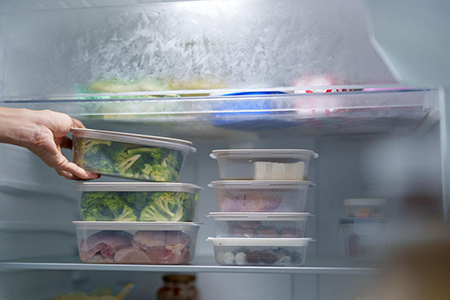
Longer shelf life affects transport timing, retail storage, inventory cycles, and cold-chain management. Refrigeration is no longer operating independently from preservation science. It becomes part of a broader system.
As preservation technologies evolve, refrigeration systems will increasingly need to interact with smarter packaging, more sensitive food categories, and stricter freshness management protocols.
Temperature alone will no longer define freshness.
Nanotechnology pushes this evolution even further.
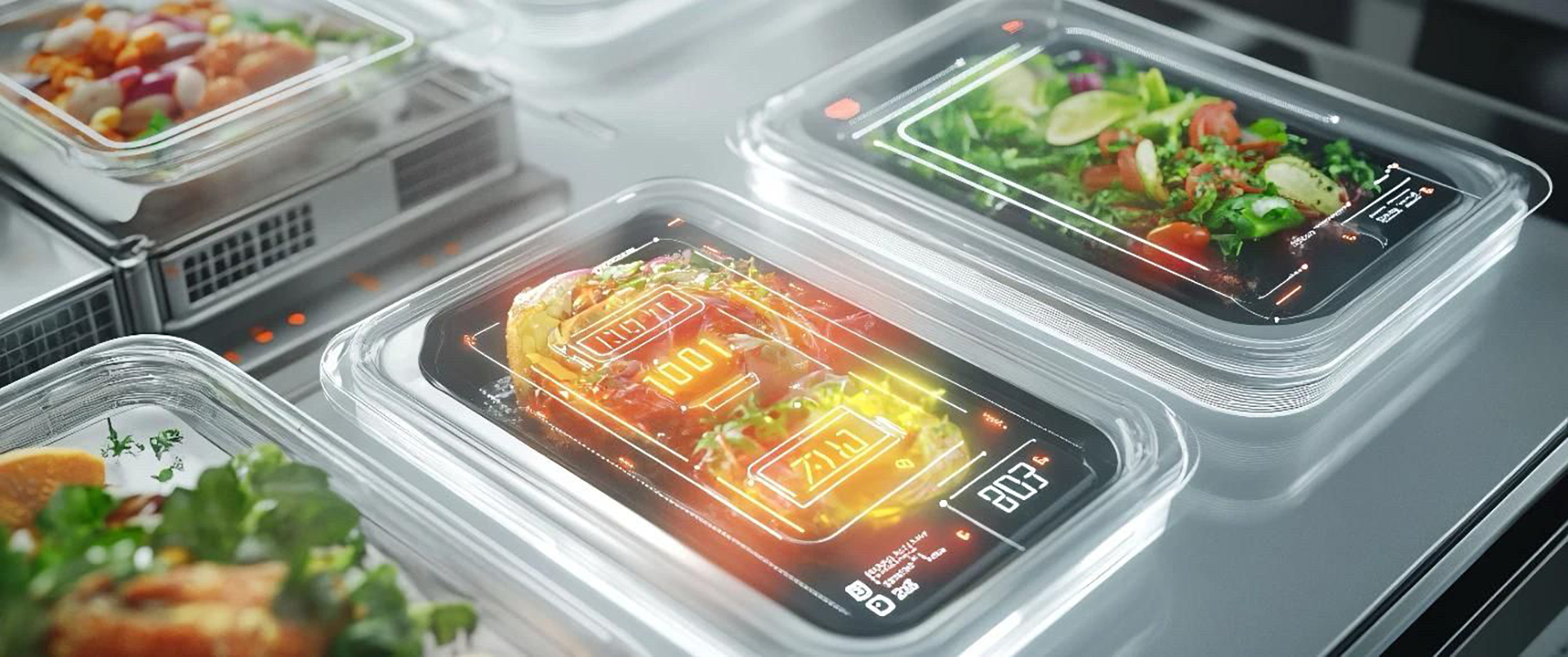
Packaging can now react to environmental conditions, slow oxidation, reduce bacterial growth, monitor humidity, and even signal spoilage in real time. Some materials actively protect food instead of simply containing it. Others help track temperature exposure during transport and storage.
This creates a question the refrigeration sector cannot ignore:
What happens when packaging becomes intelligent while refrigeration stays passive?
The companies that understand this shift early will help shape the next generation of food preservation.
The others will continue competing only on liters, dimensions, and energy labels while the industry moves somewhere else.
At Homa, we see refrigeration as part of a wider responsibility.
Reducing food waste.
Protecting freshness longer.
Improving storage conditions.
Supporting safer food systems.
The refrigerator has always been connected to preservation. What is changing now is the sophistication of the technologies surrounding it.
That is why we decided to go deeper into the subject.
In our latest article, “Beyond the Chill: High-Pressure and Nanotech’s Fresh Take on Food Preservation”, we explore how HPP, smart packaging, nanosensors, and advanced preservation technologies are redefining the future of food storage and refrigeration itself.
Not as a distant scenario.
As something already beginning to reshape the industry.

Copyright HOMA 2026- Issued By Homa Marketing dept. on May 2026
For further Information and Press Contacts: info@homaeurope.eu