Revisiting four Chinese industry publications that documented Homa Europe’s evolving role in connecting European market culture with Chinese industrial capability
Some ideas appear to emerge suddenly. In reality, the strongest ones are often built gradually, through years of observation, dialogue and practical experience.
Today, Homa’s international perspective is expressed through concepts such as Food Preservation, Care, Design, responsible manufacturing and a more evolved interpretation of the role of an OEM partner.
These ideas did not appear overnight.
A series of Chinese industry publications released between 2019 and 2022 offers an interesting record of how this direction was already taking shape several years ago. The articles document how Homa Europe and its management contributed to areas including design planning, European market interpretation, product storytelling, sustainability and ESG communication. Several of these sources also include statements and perspectives attributed directly to Federico Rebaudo, General Manager of Homa Europe. Read together, these sources provide more than a historical record. They reveal the continuity of an approach that has progressively developed into projects, publications, international collaborations and platforms for dialogue with Homa’s European partners
In June 2019, the China Household Electrical Appliances Association published an article examining the organisation and international capabilities behind Homa Refrigerators’ industrial growth.
奥马冰箱欧洲公司总经理、设计企划专家 Federico Rebaudo
An editorial translation would be:
Federico Rebaudo, General Manager of Homa Refrigerators’ European company and an expert in design and product planning.
This description is significant.
It suggests that Homa’s European presence was not understood exclusively as a representative office function. European market knowledge, design culture and product planning had been conceived from the outset as part of a broader contribution to Homa’s international development.
For a Chinese manufacturer serving clients across multiple markets, European proximity meant more than being geographically closer to customers. It meant interpreting different lifestyles, retail structures, kitchen cultures, aesthetic expectations and consumer priorities.
That ability to translate market signals into product and communication implications would become increasingly important as Homa evolved beyond a traditional manufacturing relationship towards a more collaborative OEM model.
Another Chinese publication, released by Shanghai Home Appliance Network, reported the global presentation of Homa’s Interstellar Platinum refrigerator collection.
In the article, Federico Rebaudo was again identified as a Homa design planning expert. His comments described the product’s appearance as a combination of Italian design and Homa’s industrial craftsmanship.
The underlying idea was not that one culture should replace the other.
It was that different capabilities could reinforce one another.
Italian design culture contributed sensitivity to proportion, materials, interaction and lifestyle. Homa contributed engineering knowledge, manufacturing scale, quality control and the ability to make advanced product solutions accessible to international clients.
This relationship between European interpretation and Chinese execution remains central to Homa’s international identity.
Design, in this context, is not applied decoration. It is a discipline connecting:
The article also associated the design concept with Homa’s intention to communicate care, quality and meaningful differentiation to consumers.
This was an early expression of a principle that would later become increasingly visible in Homa’s international communication: industrial scale creates value when it is transformed into a proposition that people can understand and experience.
The most complete Chinese record of this evolving vision appeared in March 2022, when Sohu published an extensive interview with Federico Rebaudo as Director of Homa Refrigerators’ European Office.
The interview explored Homa’s approach to Food Preservation, Care and Design, as well as the relationship between technology, changing lifestyles, sustainability and the evolving role of an OEM manufacturer.
Its starting point was an important distinction: preserving food is not the same as merely storing it.
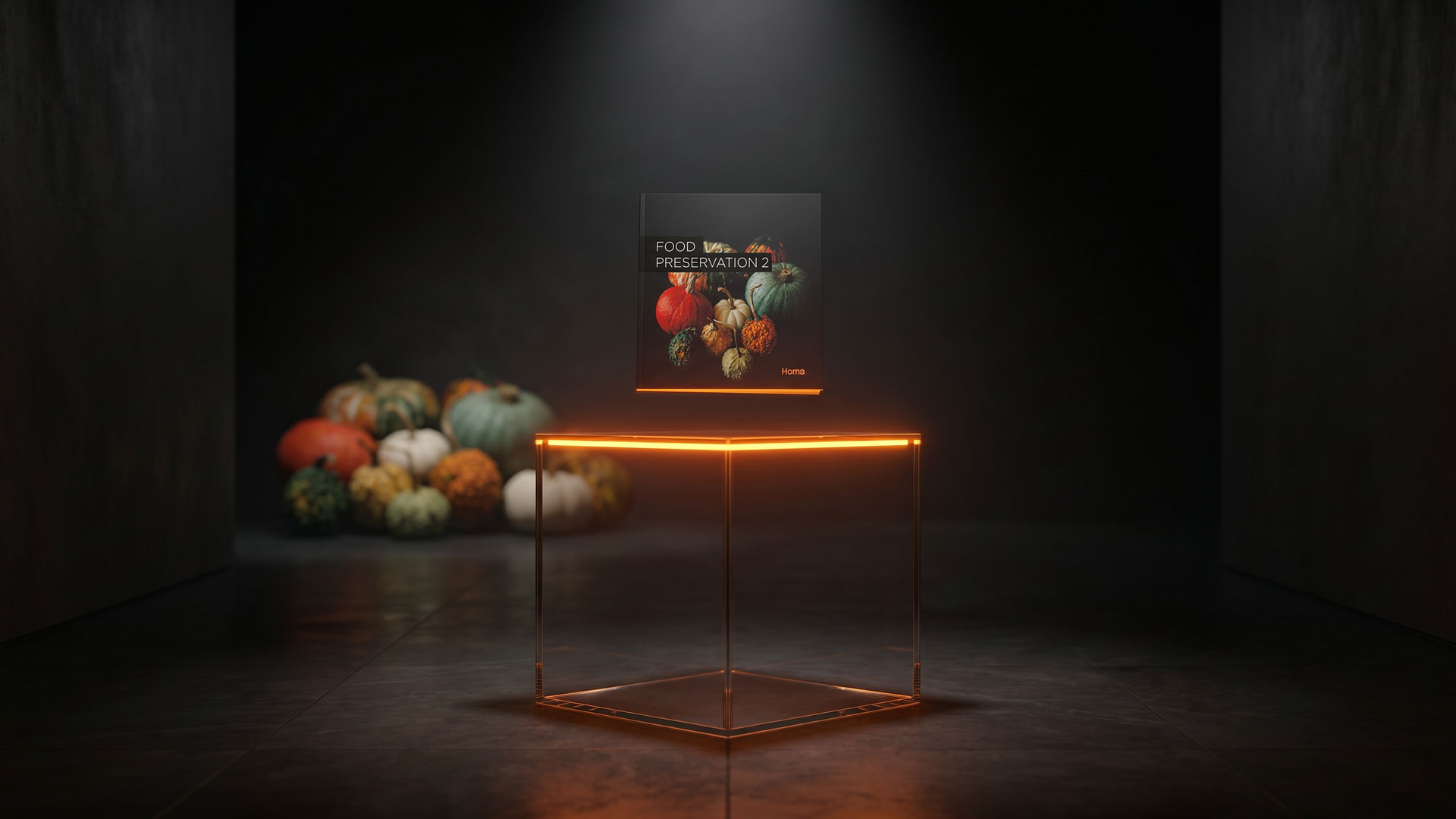
Food Preservation implies attention, protection and responsibility. It concerns the nutritional value of food, the health of families, the reduction of waste and the impact of consumption on the planet.
As the interview explained:
“Food Preservation is one of the three concepts behind our marketing strategy, the other two being Care and Design.”
The article continued by positioning the refrigerator as something more meaningful than a technical appliance:
“A refrigerator is no longer a simple cold box to store food supplies.”
It had become part of a broader cultural and domestic environment shaped by growing attention to family life, health, nutrition and sustainability.
This perspective helped connect product development to human needs.
Technologies such as No-Frost and AI inverter systems were therefore not presented simply as specifications. Their relevance depended on the benefits they could deliver:
The principle was clear: technology should serve a purpose that is understandable and valuable to people.
The Sohu interview also developed another theme that would later become central to Homa’s design-related work: the kitchen is not merely a functional room.
It is a social and emotional environment.
People talk, share ideas, celebrate, disagree, entertain and experience important moments in the kitchen. The refrigerator is often the largest and most visible appliance within that space, and one of the objects with which people interact most frequently throughout the day.
Its form therefore matters.
A refrigerator’s appearance contributes to the atmosphere of the kitchen and to the way people represent their lifestyle, cultural identity and personal choices.
This understanding creates a stronger connection between product design and real life. Aesthetic decisions cannot be separated completely from engineering, usability or the architecture of the surrounding space.
It also explains why Homa progressively expanded its relationships with European design companies. The objective was not simply to make products look more European, but to introduce different perspectives into the development process and improve their relevance across international markets.
One of the most distinctive ideas in the 2022 interview concerned the timing of innovation.
Being innovative does not necessarily mean being first.
According to the interview, the right moment to introduce a technology is the point at which it is sufficiently reliable, the market is ready for it and it can genuinely improve the customer experience.
The concept was linked to the ancient Greek idea of Kairos: the appropriate or opportune moment.
This approach is particularly relevant to a large-scale OEM manufacturer.
A technology becomes strategically meaningful when it can move beyond experimentation and be incorporated into reliable, competitive products that can reach a wider market.
Innovation must therefore combine:
This balance between advancement and industrialisation is one of the areas in which a manufacturer’s scale can become a genuine competitive advantage.
The Sohu interview also documented an important evolution in Homa’s understanding of its OEM role.
The article explained that Homa had begun moving beyond the traditional boundaries of manufacturing by helping clients communicate the relevance of product and design innovations to their customers.
This did not mean replacing the identity or marketing activity of Homa’s clients.
As a pure OEM partner outside China, Homa’s purpose was—and remains—to strengthen the brands it serves.
The opportunity was to support clients with clearer product narratives, structured technical knowledge and market-relevant content that could make complex innovations easier to understand, sell and experience.
This approach anticipated several initiatives subsequently developed by Homa, including:
The factory makes the product. Meaning helps the product travel further.
Later in 2022, a Chinese article published by Shuyoung reported the establishment of Homa Refrigerators’ ESG Governance Committee.
The publication described the committee as part of Homa’s commitment to balancing short-term development with long-term competitiveness.
Federico Rebaudo’s role was presented in precise terms:
Federico Rebaudo,欧洲办事处总监,将以他20多年的行业经验和深厚的国际视野,把前沿的 ESG 标准和传播策略引入到奥马冰箱未来的发展战略。
An editorial translation reads:
Federico Rebaudo, Director of the European Office, will draw on more than twenty years of industry experience and a deep international perspective to introduce advanced ESG standards and communication strategies into the future development strategy of Homa Refrigerators.
The importance of this passage lies in the relationship it establishes between international perspective, standards and communication.
ESG cannot be reduced to isolated claims or corporate reporting. It requires governance, measurable actions, product development choices, manufacturing investment and the ability to communicate progress with precision and credibility.
The European contribution was therefore associated not only with market access but also with the interpretation of changing stakeholder expectations and international standards.
Looking back at these Chinese publications from today’s perspective reveals a consistent direction.
Design was already being treated as a combination of aesthetics, engineering and market understanding.
Food Preservation was already being framed as a human benefit rather than a product feature.
Technology was already being evaluated through usefulness, reliability and accessibility.
The OEM relationship was already beginning to include knowledge, storytelling and collaborative value creation.
Sustainability was already moving from a general commitment towards a structured governance responsibility.
Over time, these ideas developed into tangible initiatives.
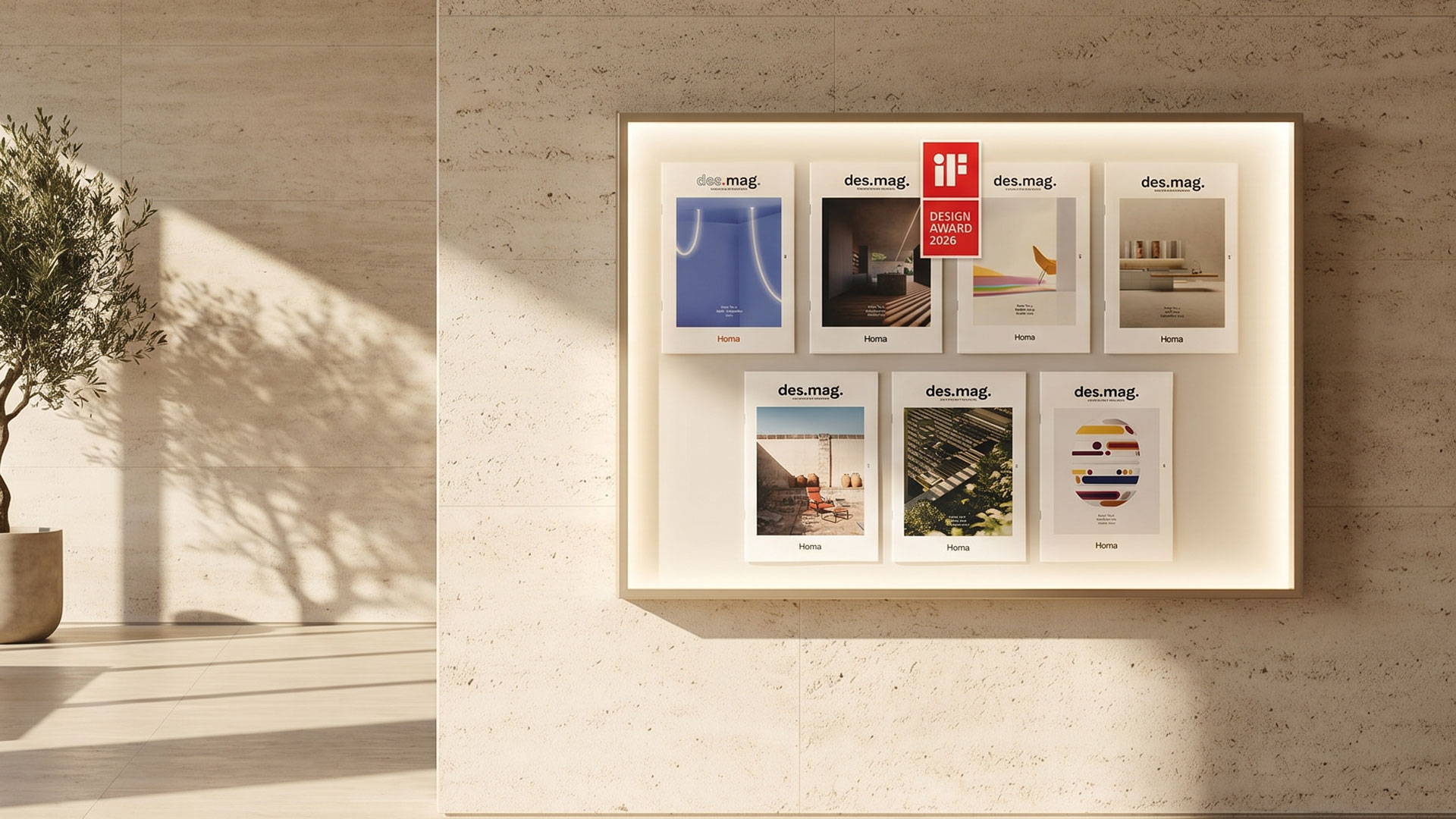
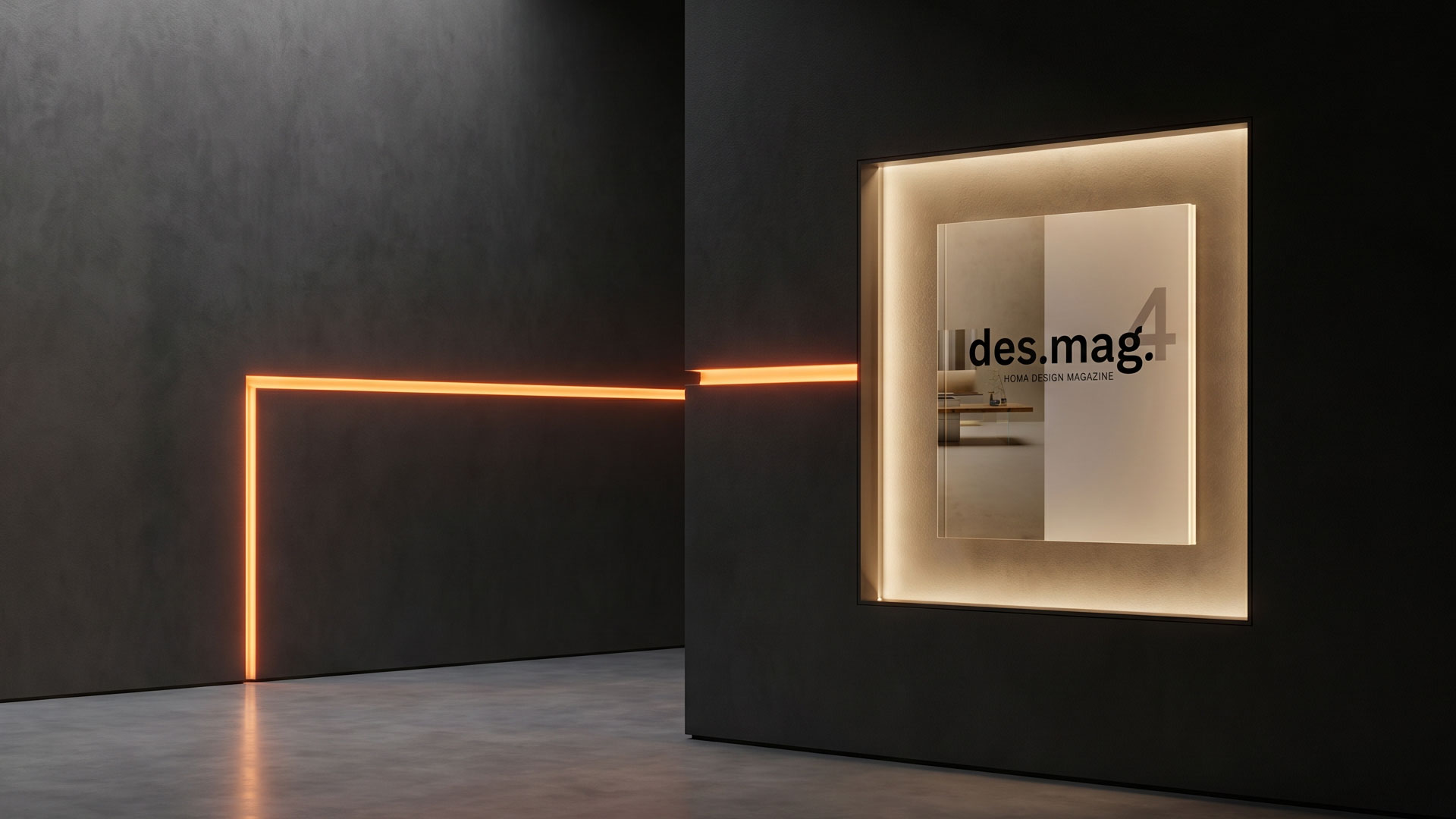
Homa Design Magazine created an international editorial space in which industrial design could be discussed alongside architecture, culture, food, materials and social change.
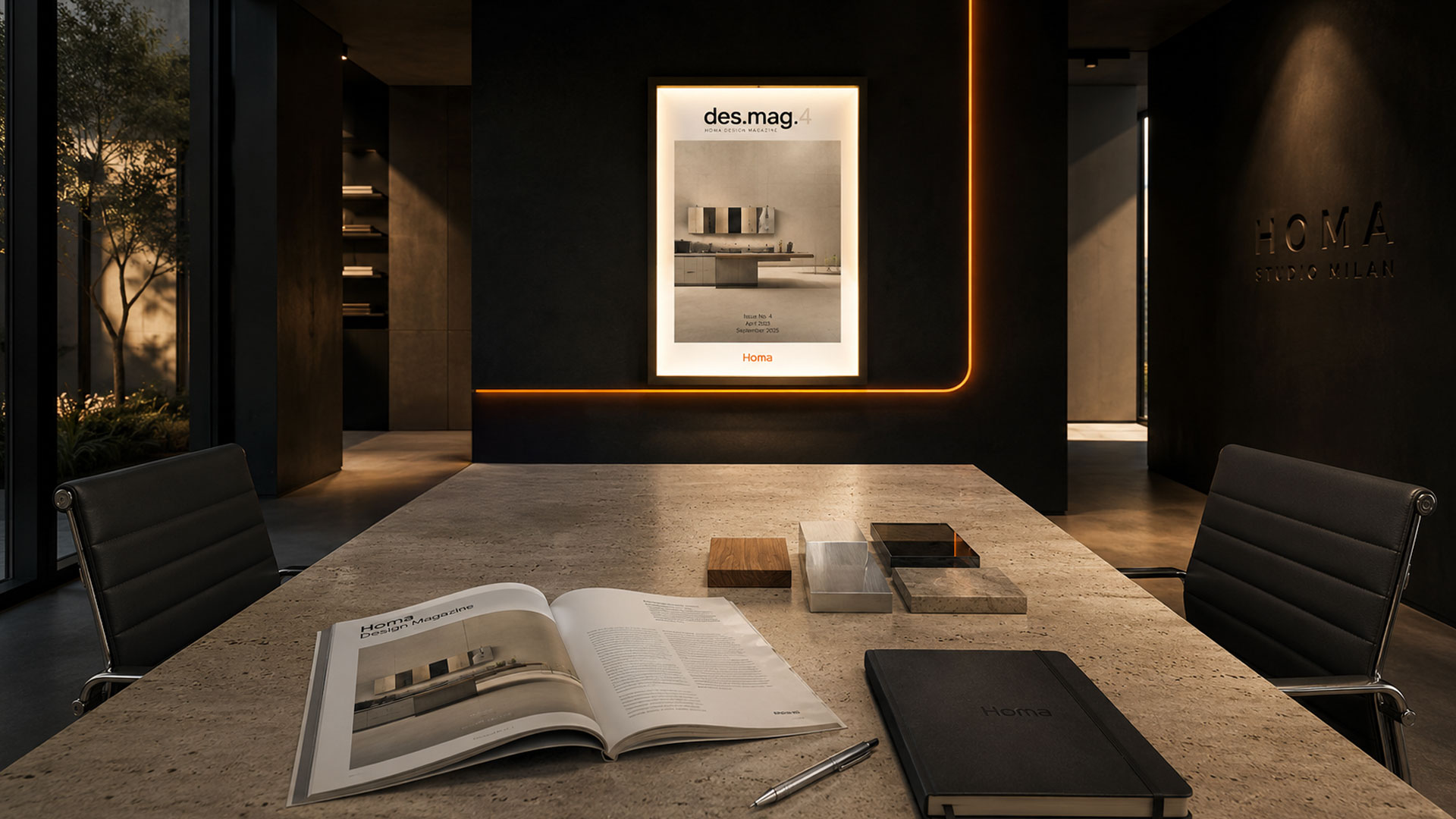
Homa Studio Milan provided a physical platform where products, market insights, design thinking and client dialogue could meet.
Homa’s white papers created structured perspectives on Food Preservation, sustainability, manufacturing and the evolving kitchen.
Collaborations with European design and innovation partners helped translate market observations into new concepts, product directions and experiences.
Each initiative was different, but the underlying logic remained connected.
The relationship between Europe and China is often described only through trade, supply chains or manufacturing economics.
Those dimensions are important, but they do not tell the entire story.
The most productive relationships are built when different cultures contribute distinct forms of knowledge.
China brings industrial scale, speed of execution, engineering capability, manufacturing expertise and a rapidly evolving innovation environment.
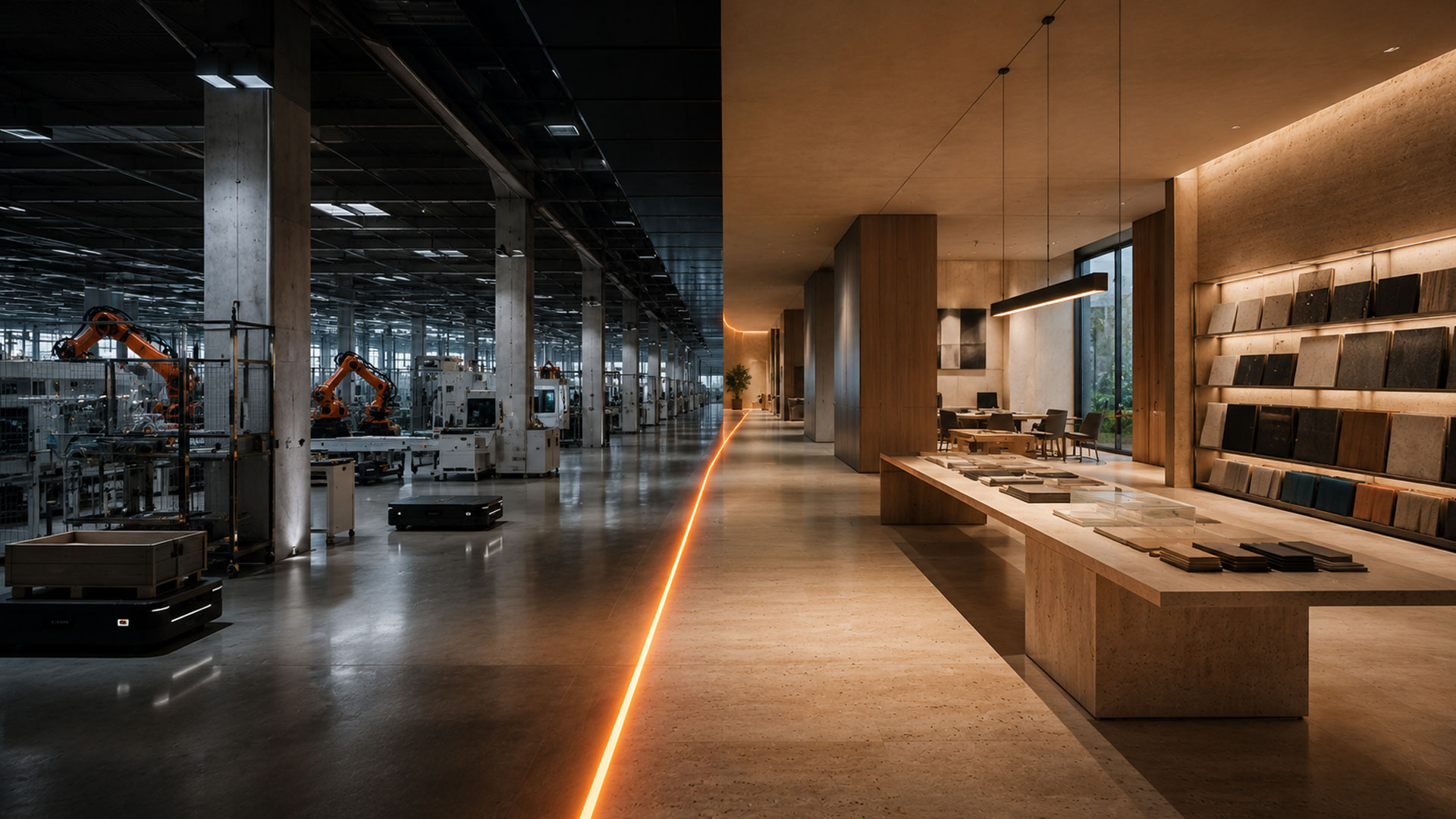
Europe contributes a highly fragmented but culturally rich market, mature retail systems, established design traditions, demanding regulatory standards and a diverse understanding of the kitchen and domestic life.
Connecting these worlds requires more than translation between languages.
It requires translation between:
The Chinese publications collected here document some of the early stages of that translation.
Historical sources matter when they help explain the present.
These articles show that many themes associated with Homa’s current international direction were already being discussed publicly several years ago.
They also demonstrate the continuity of Homa Europe’s role as a bridge between Homa’s Chinese industrial organisation and the European market environment.
Within that broader work, the sources document Federico Rebaudo’s contribution to design planning, market interpretation, product storytelling, Food Preservation, international communication and ESG perspectives.
The value of the record is not that it celebrates an individual or attempts to rewrite the past.
Its value is that it documents how ideas evolve.
A point of view becomes a conversation.
A conversation becomes a framework.
A framework becomes a project.
And, when supported by industrial capability and long-term commitment, a project can become a platform capable of creating lasting relevance.
The English translations of the Chinese titles and passages in this article are editorial translations provided for international readers. Readers are invited to consult the linked original publications for the complete Chinese texts.
Copyright HOMA 2026- Issued By Homa Europe Communication Team - on June 2026
For further Information and Press Contacts: info@homaeurope.eu