
A practical decision framework for manufacturers, importers and retailers developing private-label or licensed refrigeration products.
By Federico Rebaudo · General Manager Europe and Head of Homa Europe
The right OEM refrigeration partner does more than offer a catalogue of available models. It helps a brand turn market knowledge into a focused, manufacturable and commercially sustainable product range with clear and correct differentiation, reliable execution and a credible story for the customer.
A good range is not the largest one. It is a disciplined portfolio in which each model earns its place: it serves a recognisable need, strengthens the brand’s position, can be supported reliably and has a credible route to sell-out.
For a long time, the ideal product manager’s range was often the most complete catalogue: an answer to every request, every price point and every competitor. But an immaculate assortment on a spreadsheet can be a poor business in practice. Slow-rotating products consume warehouse space, lock up working capital and divert commercial attention from the models that deserve it.
The stronger question today is not “What else could we add?” but “Which products create enough value to justify being there?” Range architecture is therefore both a product decision and a capital-allocation decision.
Begin with a market brief. Define the intended customer, the channels through which the range will be sold, the unmet need or competitive gap, the price and performance position, and the message the brand wants buyers to remember. Only then should the discussion move to platforms, dimensions, features and specifications.
This order matters. Engineering can produce more alternatives than a market can absorb. A manufacturer’s real contribution is to help convert those possibilities into choices — separating meaningful consumer benefits from features that add cost, complexity or stock without adding sufficient value.
The three business models require different decisions, even when they use the same industrial platform. These categories describe commercial roles, not rigid legal identities: a manufacturer may also import, while a retailer may operate private-label and licensed brands side by side.
| Manufacturer | Importer | Retailer · Private label or licensed brand |
|---|---|---|
|
Brand role Extend an established portfolio without diluting its product strategy. Key decisions Which capabilities should remain proprietary? Proof of fit Architecture, validation, quality consistency and a realistic development roadmap. |
Market role Build an assortment adapted to local consumers and distribution realities. Key decisions Which models can be selected quickly? What localisation, service and documentation are required? Proof of fit Rotation potential, channel suitability, landed economics and post-launch support. |
Brand role Make a retail promise tangible and distinguishable at the point of choice. Key decisions Which consumer benefits justify each model? How will product and shelf communication reinforce the brand? Proof of fit Clear shopper proposition, consistent price ladder, sell-out support and manageable stock. |
OEM and ODM labels are not applied consistently in every market. Rather than assume they describe the same division of work everywhere, agree a project-level responsibility matrix before development begins.
That matrix should say who defines the target specification and product architecture; who selects and approves components; who owns tooling and intellectual property; who manages testing, changes and technical documentation; who takes responsibility for EU registration and labelling where applicable; and how after-sales obligations are allocated.
A shared understanding of decisions and accountability is more valuable than a reassuring acronym. In many projects, the most effective arrangement is a combination: an established industrial platform, selectively adapted around the brand’s priorities.
Yes — provided standardisation and differentiation are managed deliberately. A strong industrial platform should give partners the confidence of repeatable quality and scale, while allowing controlled choices in design, configuration, usability and the customer experience.
Anthea Wang, Vice President and Head of Homa’s International Business Centre, has expressed the principle clearly:
“We’re shaping industrial ecosystems that are modular, efficient, and built for scale.”
The practical test is to distinguish what should remain common from what should change. Each adaptation has an industrial consequence for tooling, validation, supply chains or minimum volumes. Homa’s article on designing platforms that flex, fit and win explores this balance.
A platform may be shared. The market meaning should not be.
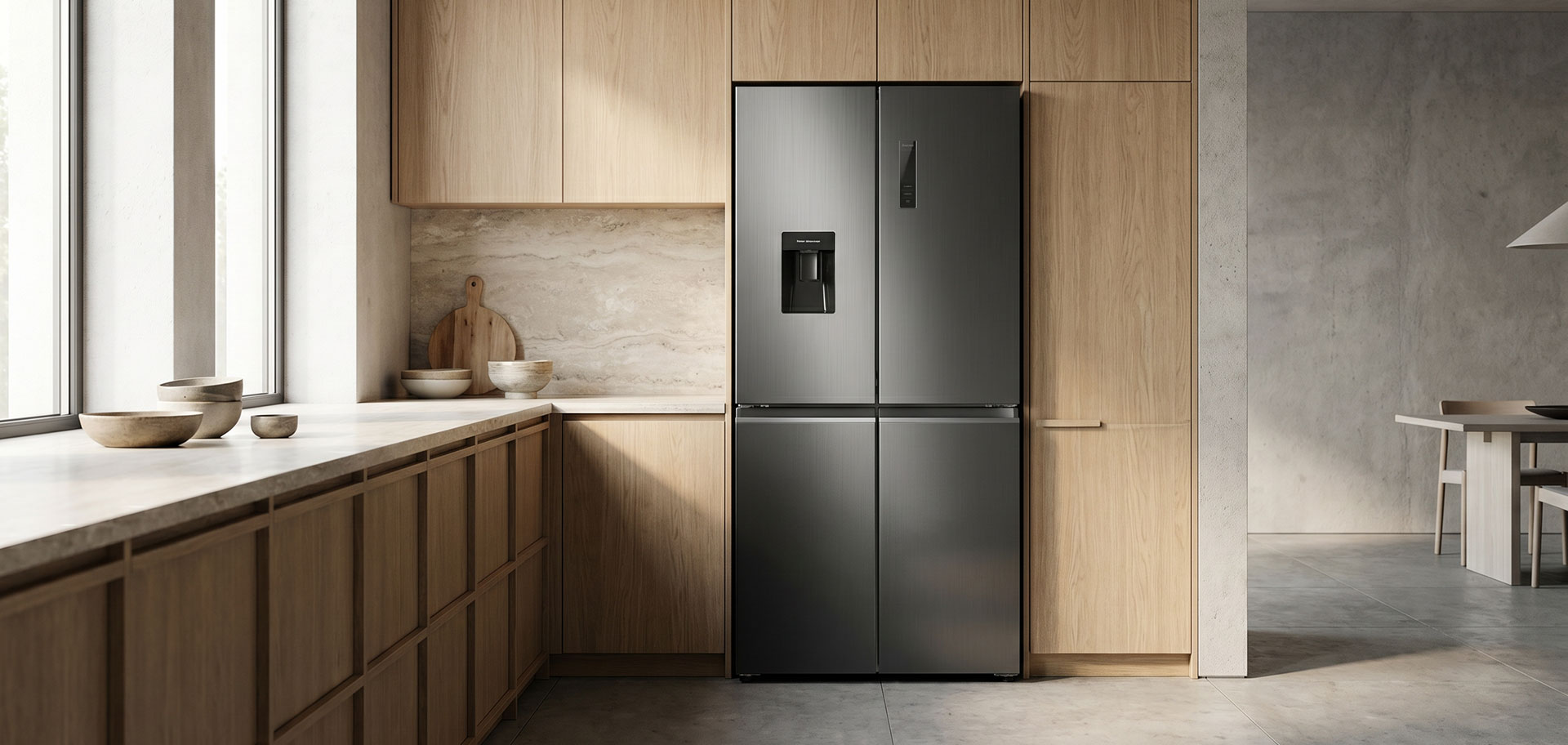
The value of refrigeration begins with people, not a list of features. Ask how the target household shops, stores fresh ingredients, organises meals and manages food over the week. Then test whether compartment proportions, temperature stability, humidity control, visibility and intuitive use are relevant to those routines.
More technology is not necessarily more value. What matters is whether a feature makes a difference that a customer can understand, experience and trust. Michael Yao, CEO of Homa Appliances, describes food preservation as “a mindset that connects science, engineering and design”. Homa’s Food Preservation White Paper develops this connection between research, product design and everyday life.
The wider sustainability perspective also matters: the joint UNEP–FAO report on sustainable food cold chains examines the role of effective refrigeration across food systems. It is a useful context for thinking about preservation, although its supply-chain findings should not be presented as a direct performance claim for an individual domestic appliance.

Capacity figures and broad quality statements are not enough. The evidence should match the proposed range: experience with comparable platforms, test and validation plans, quality-management processes, component continuity, change control, supply-chain resilience, realistic launch timing and the support required when a model enters volume production.
Ask what happens when a specification changes, a critical component becomes unavailable or demand shifts faster than expected. A partner’s quality is visible not only when production runs smoothly, but also in how it responds when conditions change.
Homa’s manufacturing knowledge and editorial resources provide context for the industrial perspective; the actual project still requires its own evidence and agreed milestones.
For products intended for the European Union, regulatory responsibilities belong in the initial range brief, not in the final launch checklist. The European Commission maintains the ecodesign and energy-labelling requirements for fridges and freezers. Product specifications, tests, technical files, digital data and promotional materials must be planned in line with the applicable rules.
The European Product Registry for Energy Labelling (EPREL) guidance for suppliers explains registration obligations for covered products. Confirm which legal entity is the responsible supplier, who prepares and verifies the product data, who performs registrations and which parties are responsible for compliant information at the point of sale and online. These assignments depend on the business model and the applicable law.
Good compliance management is also good portfolio management: it reduces late changes, launch ambiguity and the cost of correcting product information after it reaches customers.
A technically sound refrigerator can still be poorly understood by buyers and poorly presented at retail. Packaging, user manuals, product images, specification sheets, e-commerce content and sales materials all influence how a brand’s promise is experienced. They should translate genuine product benefits into clear, useful messages rather than manufacture a story the product cannot support.
This is particularly important for private labels and licensed brands, where differentiation is often required at the very moment of comparison. Homa’s Marketing Academy and sell-out resources illustrate how an OEM ecosystem can support product storytelling and retail communication. The scope and availability of any materials should be agreed for the individual partnership.
A brand is built through more than the appliance itself. Every touchpoint should reinforce, rather than contradict, the reason the product belongs in the range.
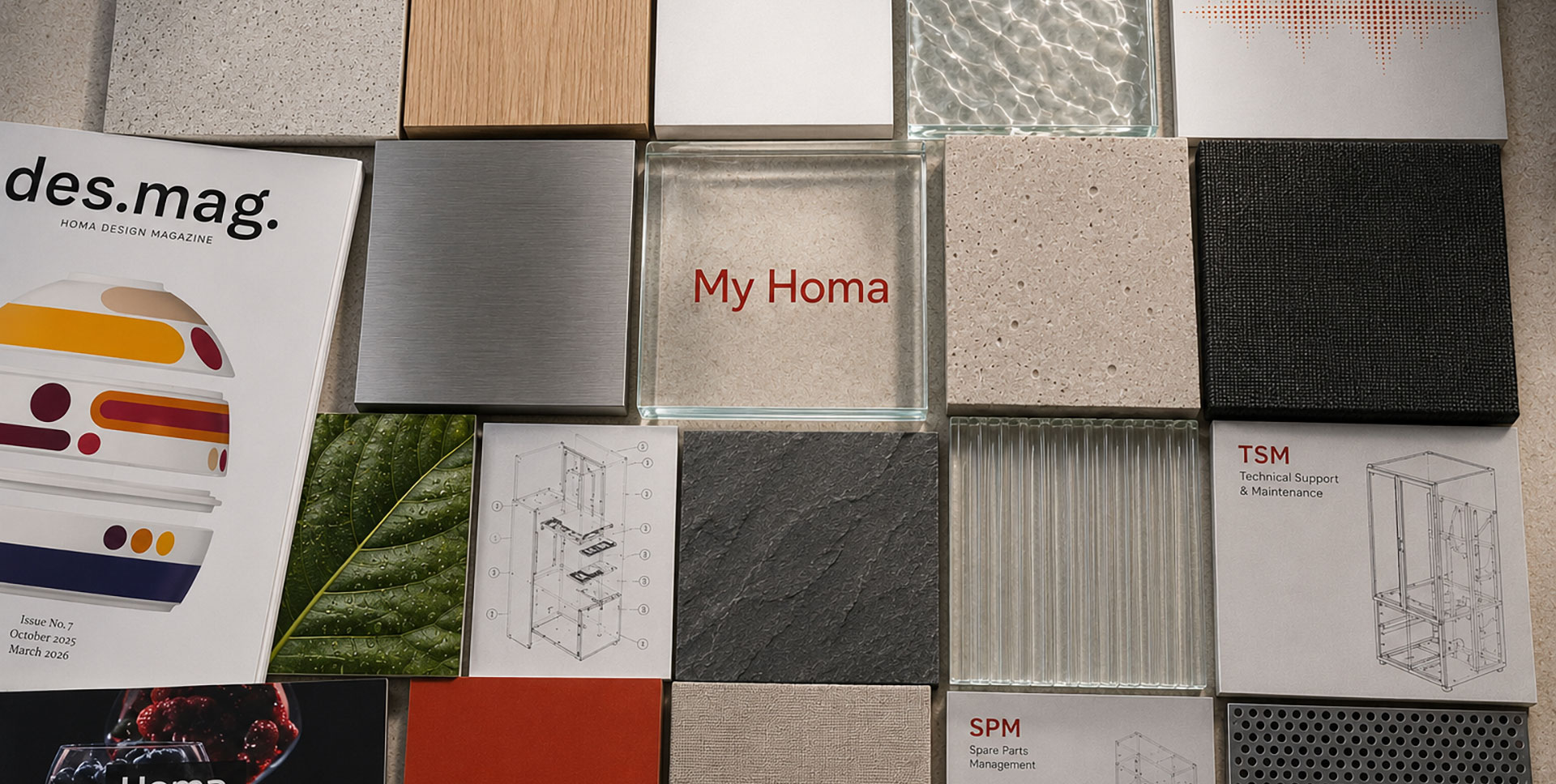
Homa Appliances is the industrial OEM/ODM manufacturer specialising in domestic refrigeration. It manufactures products for other brands rather than building a competing consumer-facing brand of its own. Homa Europe is the non-transactional Rep.Office of Homa Appliances. Its work connects market interpretation, design culture, strategic communication and innovation perspectives with Homa’s wider industrial organisation.
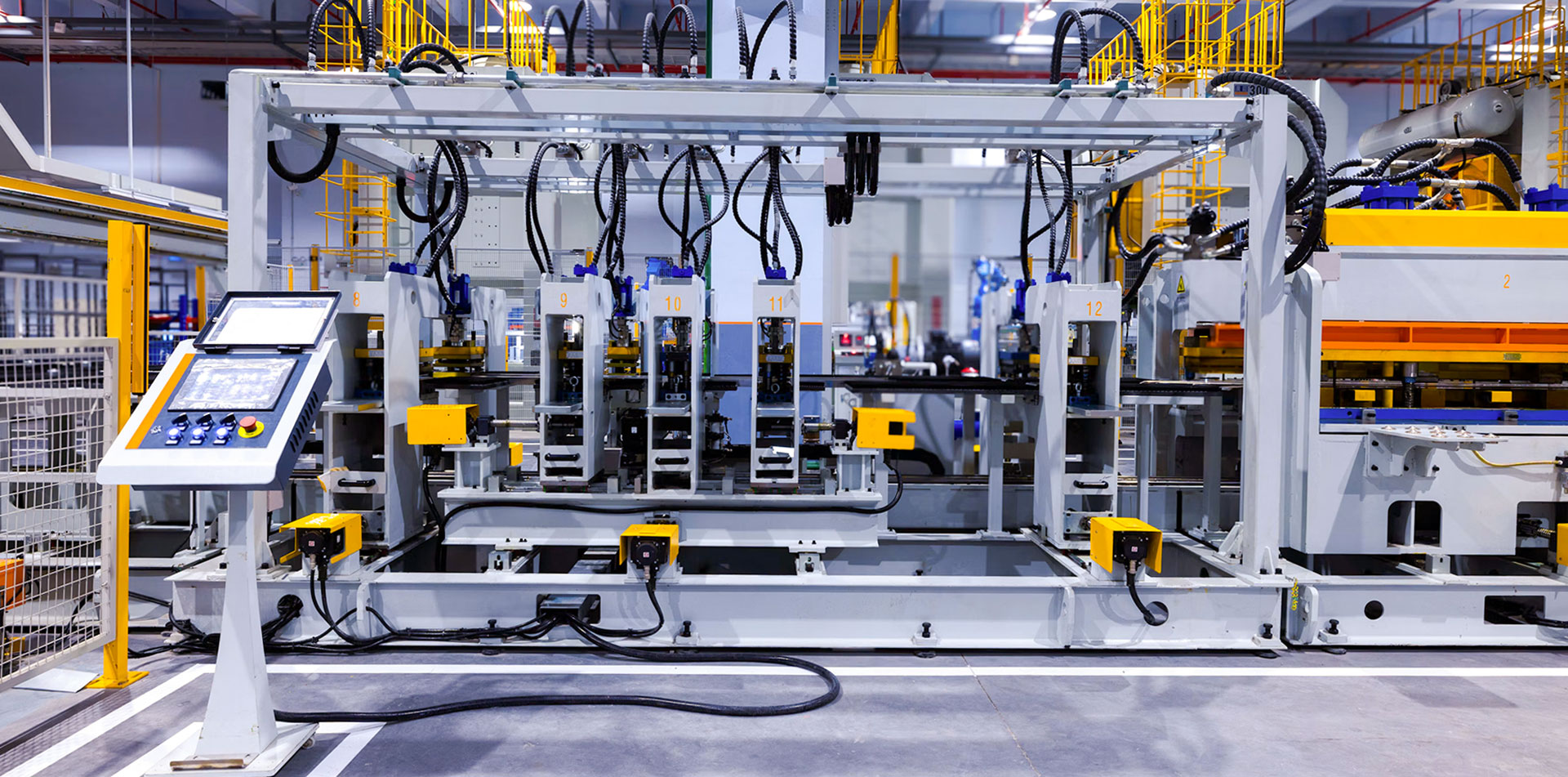
The Homa Studio in Milan is part of that cultural and collaborative approach: a place for product dialogue, strategic thinking, communication and learning with internal teams and partners. Commercial contracts, orders and manufacturing responsibilities should not be attributed to the representative office. Homa Europe’s official questions and answers clarify its institutional role.
The strongest OEM relationship does not ask a manufacturer, importer or retailer to adopt the supplier’s identity. It equips the partner to express its own identity through a product range that is technically credible, commercially disciplined and relevant to real people.
In my view, choosing an OEM refrigeration partner starts with a deceptively simple decision: not which products a factory can make, but which products the market has a reason to choose. Industrial capability creates the options. Market understanding tells us which options deserve to exist.
The practical next step is a joint range brief: target customer, channel, positioning, shortlisted platforms, responsibilities, proof points and launch requirements. That is where product selection becomes a strategy — and where a supplier can begin to earn the status of a genuine partner.
Copyright HOMA 2026- Issued By Homa Marketing dept. on November 2026
For further Information and Press Contacts: info@homaeurope.eu