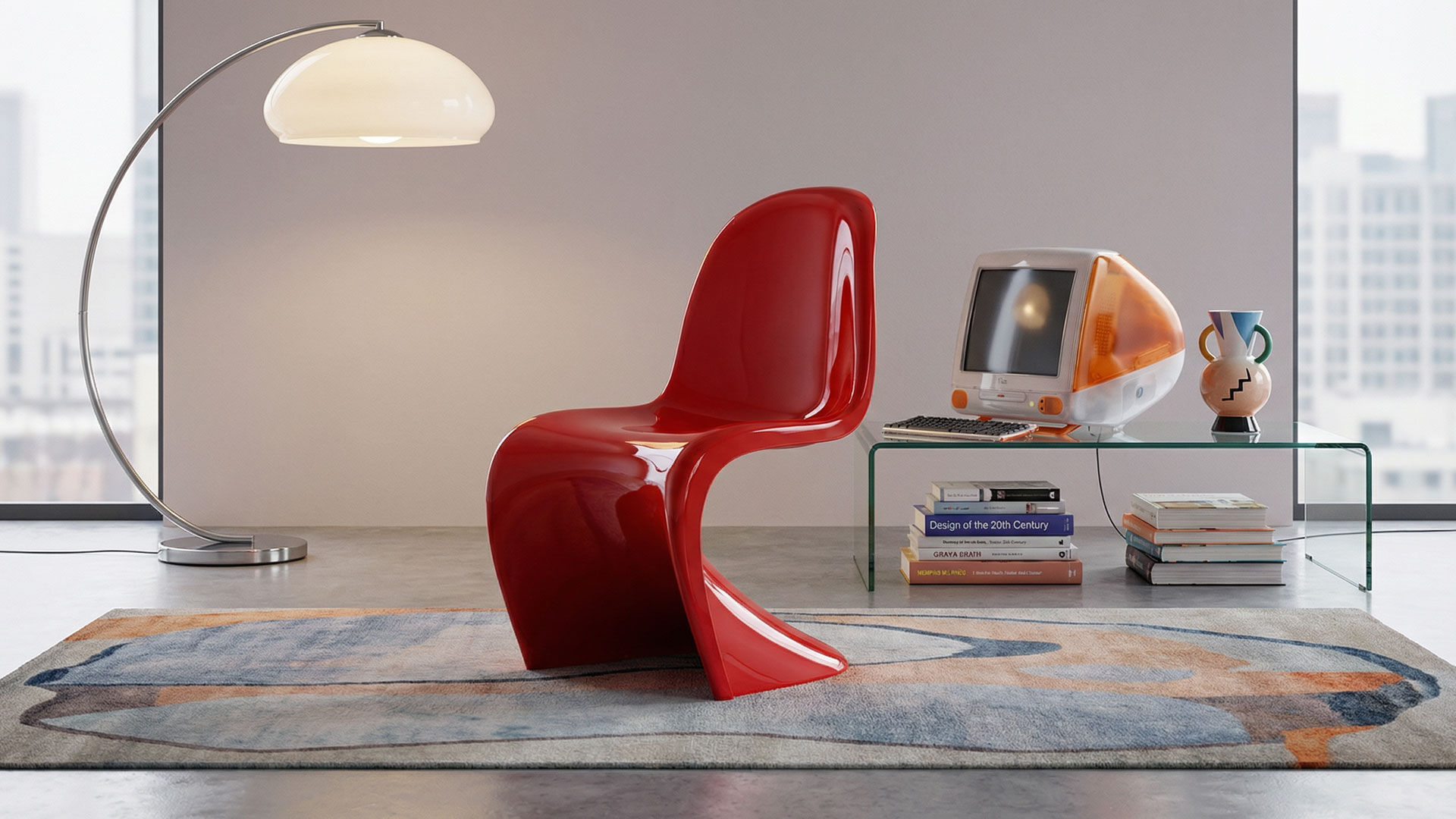
Every design journey starts with a question rather than an answer. Why do some products become timeless while others disappear almost immediately? Why do certain objects continue to feel right, even decades after they were designed? The idea behind the following article, Icons of Design, a monograph (an editorial device adopted to open every issue of the Homa Design Magazine since 2022), starts from a clear belief: understanding the past is not an act of celebration, but a necessary step in designing better futures.
There is no future without a past. In design, this principle is not theoretical. It is a working method. Studying iconic products, historic brands and the designers behind them allows us to recognise patterns, values and decisions that still shape how people interact with objects today. This is where meaningful innovation starts.
Every meaningful product begins long before the first sketch. It begins with memory. Not nostalgia, but knowledge. The kind of knowledge that comes from observing what has already worked, what has endured, and why certain objects have managed to become part of people’s lives instead of disappearing after a season. In design, looking back is a way to move forward with clarity.
Design is often described as innovation, yet innovation rarely appears from nowhere. The products that feel intuitive, human and long lasting are rooted in a deep understanding of design history and of the designers who shaped behaviours and expectations. When we study those objects, we are not copying forms. We are learning a language based on proportion, materials and respect for the user.
Human centred design is not a trend. It is a discipline. Designers who transformed companies and entire industries started from people, from daily gestures and from the silent dialogue between object and user. Understanding the past helps avoid creating products that are impressive but empty, complex but meaningless.
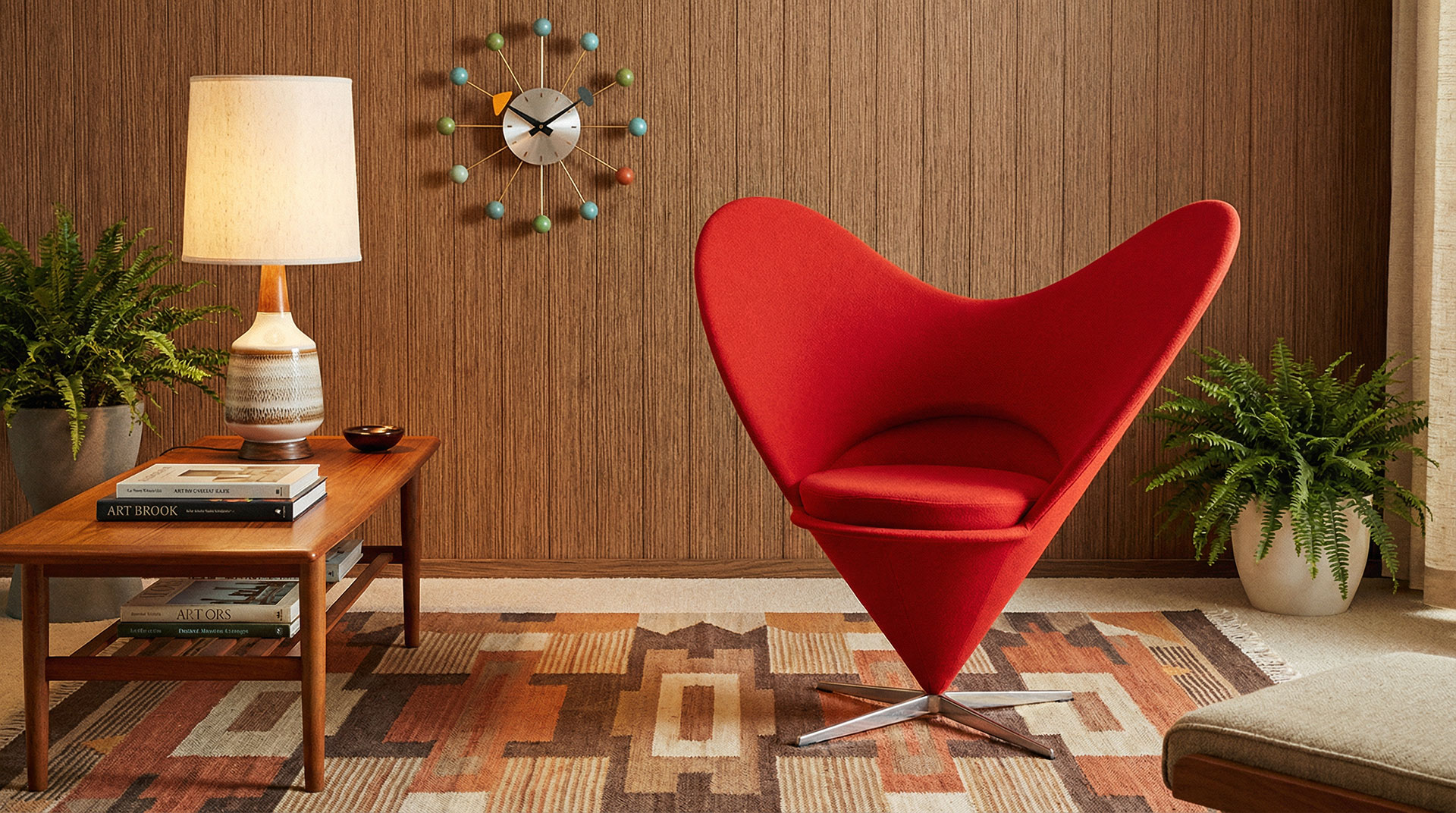
This perspective becomes even more critical in the world of OEM manufacturing. An OEM company does not design for itself. It designs and manufactures with/for others. It produces for brands with their own history, their own voice and their own way of communicating with the market. Some of these brands are well established and carry decades of visual and cultural heritage. Others are new importers, emerging labels or private brands that are still defining who they are. In both cases, design becomes a strategic tool rather than a stylistic exercise.
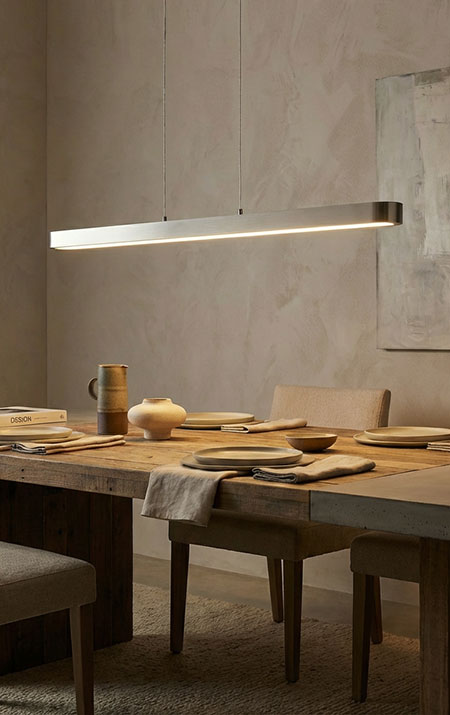
For Homa, design is a way to listen. Listening to the past of a partner brand, to its references and its icons, while also listening to contemporary designers, new behaviours and future expectations. Acting in design means translating that listening into products that remain coherent with each brand’s identity, even when the same industrial platform serves multiple clients. This is where design demonstrates its real value, enabling differentiation without conflict.
Design is a business language. It helps an OEM understand B2B clients beyond technical requirements. Design choices reveal positioning, ambition and cultural context. When treated seriously, design is a method to respect diversity among commercial partners rather than flatten it. It allows one manufacturing reality to support many brand stories .
Design is not only about aesthetics. It is a competitive advantage.
As Michael Yao, CEO of Homa Guangdong Appliances, reflects:
“Design is not only about aesthetics. It is a competitive advantage. It marked the beginning of Homa’s design journey — placing both the client and the user, the consumer of our clients, at the centre.”
In this sense, design is not a decorative layer added at the end of development. It is a structural choice. A way of aligning industrial capability with brand identity and with the real expectations of the user.
Looking at historic designers and iconic brands is not an academic exercise. It is a practical tool. It teaches proportion, restraint and longevity, showing how objects can carry meaning without excess. These lessons support the creation of products that remain relevant across markets and over time.
As Federico Rebaudo, General Manager of Homa Europe, states:
“We do not buy objects. We buy what they mean to us. Building a design culture inside a manufacturing company starts from that awareness.”
This awareness reinforces the idea that meaning is not decorative but structural. It transforms design from a technical function into a strategic capability rooted in listening, coherence and long-term cultural positioning.
This is the cultural ground on which Icons of Design takes shape. Not as a nostalgic archive, but as a tool to read the present and design the future with greater awareness. By exploring the objects and ideas that have defined entire industries, the project creates a shared language between designers, brands and manufacturers.
For Homa this dialogue between past and present is essential.
The same logic applies to Homa’s own evolution: looking back at earlier Chinese industry publications helps explain how today’s vision on design, Food Preservation, responsible industry and OEM partnership gradually took shape.
It supports the ability to design for different brands, different identities and different markets with intelligence and respect. Icons of Design exists to make this process visible, to connect history with contemporary practice, and to remind us that good design is never accidental. It is built on knowledge and listening ability.
Because every future product, no matter how advanced, begins with understanding context and people.
Copyright HOMA 2026- Issued By Homa Marketing dept. on February 2026
For further Information and Press Contacts: info@homaeurope.eu
Icons that have made the history of design.
There are brands or products that have made history, whose approaches and philosophies have revolutionised design logic and production methods, finding solutions so innovative that they promote and determine a profound transformation that is not only technological in the sectors in which they operate, but also a cultural and social evolution, influencing customs and habits, affecting and improving people’s daily life.
Many of these objects were the starting point, or even better, the springboard, which allowed industrial design to evolve into contemporary style. In some cases they were inspired by the founding artistic movements of contemporary design, such as the historic German school of art and design Bauhaus, founded in 1919 by Walter Gropius who promoted research that combined aesthetic form with practical functionality, and also involved industry and technology.
For this reason we at Homa Design Magazine have chosen to offer you the history of design by presenting the iconic products of four brands that have helped to promote innovation in their respective sectors - furniture home appliances, home & interiors, technology - while at the same time promoting social and cultural evolution: Braun, Apple, Vitra and Artemide.
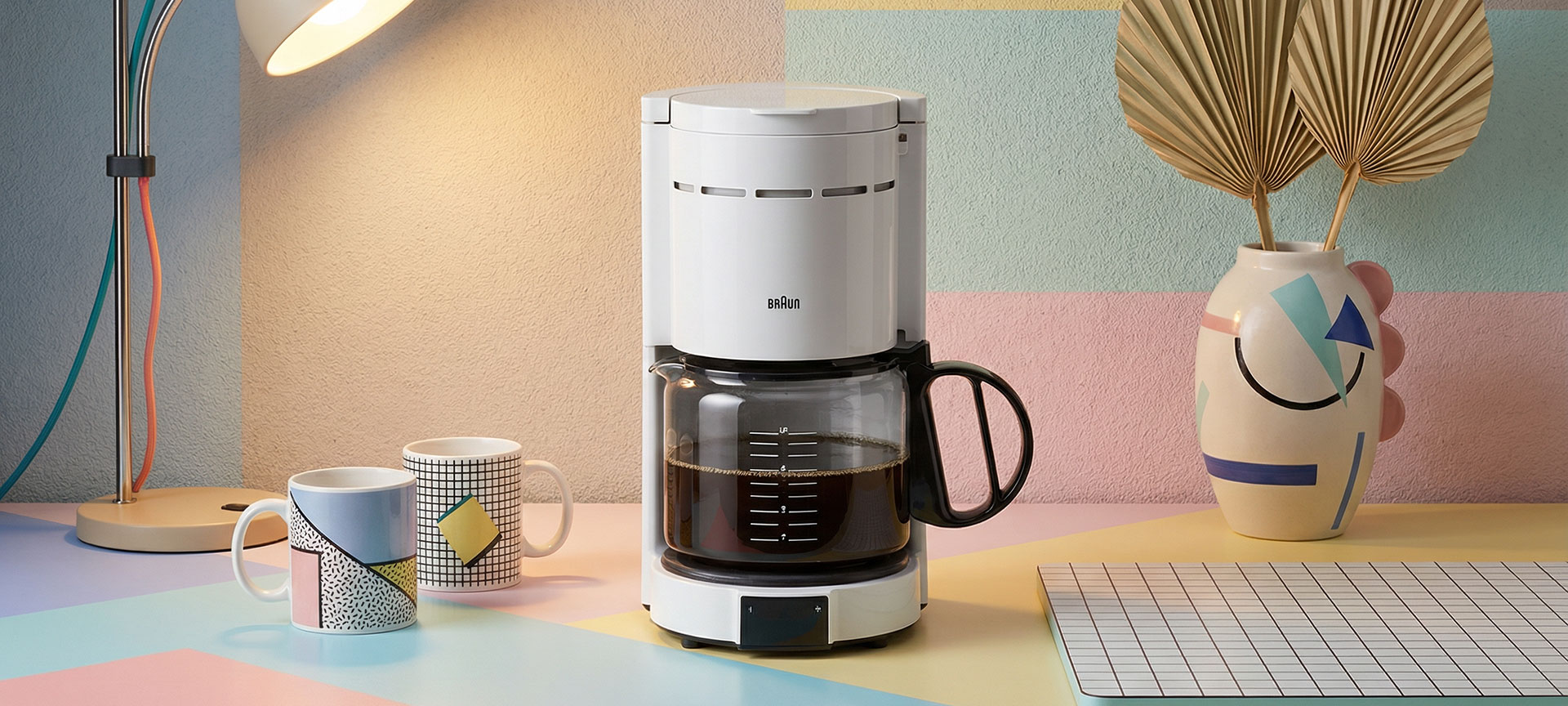
Braun, founded in 1928, became a global reference for design starting from the Sixties following the collaboration with the legendary designer Dieter Rams. His design philosophy starts from the ‘Less is more’ concept of Mies Van Der Rohe, German designer and architect, for a period president of the Bauhaus, according to which form follows function and not the other way around, to evolve into “Less, but better “. This new design approach can be considered a pioneering theory of the current focus on sustainability and is expressed in the famous ten rules underlying its (good) design: Good design is innovative. Good design makes a useful product. Good design is aesthetic. Good design helps us understand a product. Good design is discreet. Good design is honest. Good design lasts. Good design is good down to the last detail. Good design is environmentally friendly. Good design is designed as minimally as possible.
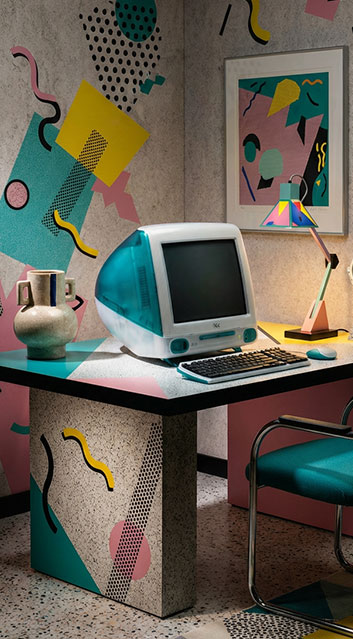
Rams’ design philosophy creates the conditions for the development of increasingly advanced home appliances and conditions the world market for appliances. Many industrial designs would be inspired by its products and methodology, including Jonathan “Jony” Ive, Apple’s Chief Design Officer until 2019 who designed some of the most iconic products of the brand. The objects and two key principles of the Bauhaus - unity of art and technology, and form of the object derived from function - also strongly influenced Steve Jobs and his idea of design to which is added a design approach that starts from the user experience: technology must offer the user a total and interesting experience, capable of improving their life.
Selectivity, rigor and functionality often combined with irony and formal experimentation, the use of colour - including the lively palettes interpreted with refinement and elegance - identify the European Vitra, whose business began in 1953, when the company founder Willi Fehlbaum , discovered the chairs created by the designer couple Charles and Ray Eames during a trip to the United States, and decided to move into furnishing. The history of Vitra, which has always offered itself as a stimulating environment oriented towards innovation, is made up of the search for new talents and the most significant projects that have later become unique pieces, many of which have introduced important innovative elements in the category to which they belong. For this reason it has always been inclined to present a limited number of pieces with strong characterisation. This particular tendency is very much expressed in the seating category.
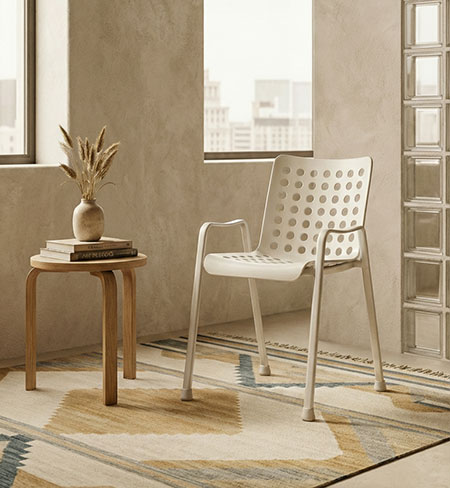
The individual and their needs, with the aim of improving quality of life and sense of well-being, are also at the centre of the vision of Artemide, an Italian company founded in 1960 by Ernesto Gismondi and Sergio Mazza, today a world reference point in production of high quality lamps.
The Artemide brand is famous for its detailed attention to design and to the technical and aesthetic qualities of its products. Its popularity grew from the earliest years of its activities, thanks to the collaboration of certain Italian designers and architects to which world famous designers and new talents have been added over the years.
Prompted by a pioneering spirit and by the continuous push towards research and innovation deriving from the previous work experience of Gismondi, a graduate in space engineering, in the area of space and rocket techniques the brand stands out for its experimentation with new techniques and new materials made easily accessible to people. With the aim of putting light at the service of man and his needs.
This video was developed under the strategic brief of Homa Europe and produced by Logic Comunication.
To explore the vision, the brief, and the thinking behind this video project, we invite you to read the article Reimagining Corporate Storytelling: How Logic Communication Augments Homa’s Brand Narrative Through AI-Driven Video.
The link is active — simply click on the title to access the full article.
Homa Design Magazine is a vibrant editorial venture on a mission to ignite the flame of design thinking across the entire Homa community—encompassing Homa people, our partners, and beyond! Yet, its influence extends beyond these boundaries; it serves as a beacon of design culture poised to illuminate our entire industry.
Today, it stands as a remarkable testament to the potency of tangential marketing, presenting a novel approach to captivating audiences. The magazine is the result of a collaborative effort, with the original idea stemming from Homa Europe.
Editor in Chief: Federico Rebaudo
Project Coordination: Federico Gallina
Contributing writers: Elena Scandroglio, Pierre Ley, Patrizio Cionfoli
Coordination, Design & Layout: Studio Volpi
For further information and Press Contact: info@homaeurope.eu
Copyright HOMA 2026- Issued By Homa Marketing dept. on February 2026
For further Information and Press Contacts: info@homaeurope.eu