By Federico Rebaudo, Head of Homa Europe.
For generations, the refrigerator has been one of the quiet certainties of domestic life. It stood in the kitchen with a clear and almost unquestioned purpose: to keep food cold, safe and available. Its value was measured through reliability, volume, energy efficiency and temperature control. That world has not disappeared. A refrigerator must still perform its essential task with precision. Yet something deeper is now taking place. The refrigerator is no longer simply a cold box. It is becoming a food preservation ecosystem: a space where air, humidity, temperature, organisation, data, ergonomics and design work together to protect not only food, but also the habits and expectations of modern households
This is the invisible revolution of refrigeration.
It is invisible because much of the real innovation is no longer immediately seen. It is not always a new handle, a new finish or a larger display. It may be a more intelligent airflow. A better-managed humidity balance. A quieter algorithm. A compartment designed around the way people actually store food today. A platform that allows a brand to integrate its own preservation technology without compromising identity or usability.
At Homa, we observe this transformation from a particular position. We are not only looking at the appliance as an industrial object. We are looking at the refrigerator as a meeting point between manufacturing, consumer behaviour, brand strategy and domestic culture. This is where the future of food preservation is being shaped.
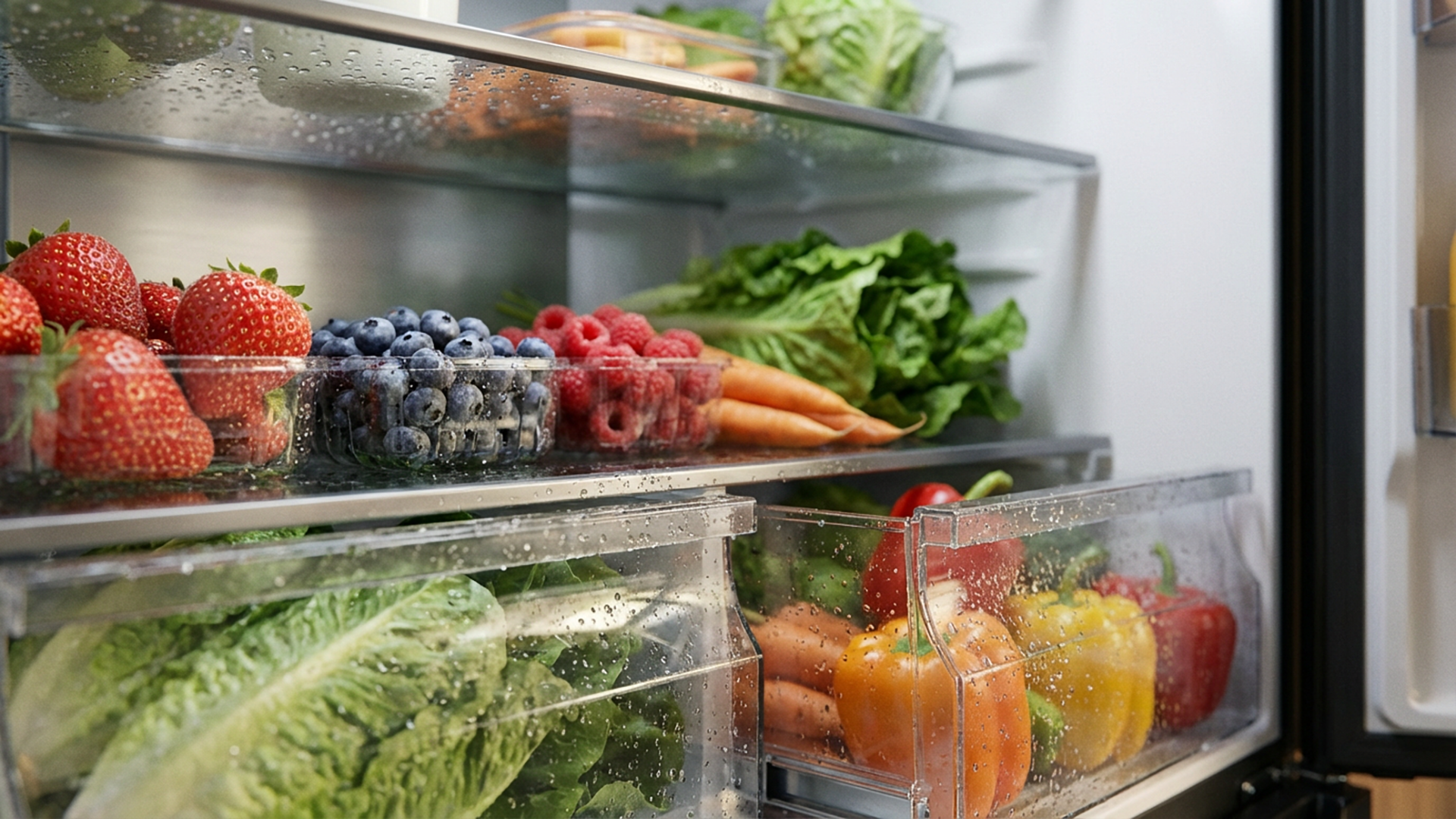
The first major shift is technical, but its consequences are human. Food preservation is moving beyond temperature. For many years, innovation in refrigeration was primarily associated with cooling performance. Today, the management of the internal atmosphere is becoming just as important. Humidity, air circulation, odour reduction, bacterial control and dedicated storage zones are redefining how freshness is experienced.
No-Frost platforms, more accurate electronic controls and improved insulation technologies are allowing manufacturers to create products that are more spacious, more stable and more responsive. Internal capacity can now increase without necessarily increasing the external footprint. This matters because consumers are storing food differently. Post-pandemic habits, grocery delivery, flexible eating routines and more attention to fresh ingredients have changed the role of the refrigerator in the home.
A modern refrigerator must therefore do more than preserve food in a technical sense. It must help people organise life.
The second shift concerns intelligence. Sensor technology, electronic controls and data memory have changed the nature of the appliance. The refrigerator can increasingly understand patterns of use: door openings, ambient conditions, compartment activity, periods of low interaction and moments of intense household use. This does not mean turning the refrigerator into a theatrical piece of technology. On the contrary, the most valuable intelligence is often the least visible.
A genuinely useful smart appliance should not ask the consumer to manage complexity. It should reduce complexity. When a product recognises that the household is away and adapts its cooling cycles accordingly, it is not showing off. It is preserving energy, reducing unnecessary stress on frozen food and improving the overall quality of storage. When it responds to frequent door openings in an active home, it is not behaving like a gadget. It is doing its job better.
The third shift is design. As appliances become more intelligent, they must also become more understandable. This is one of the great challenges of our industry. We can add functions, sensors and programmes, but if the consumer does not understand them intuitively, the innovation becomes distant.
Design is not decoration. Design is language.
A refrigerator is used by everyone: children, adults, guests, elderly relatives, people in a hurry, people preparing a meal, people simply looking for something familiar. It cannot require a manual every time a new function appears. Its intelligence must be translated into gestures, icons, spaces and signals that feel natural.
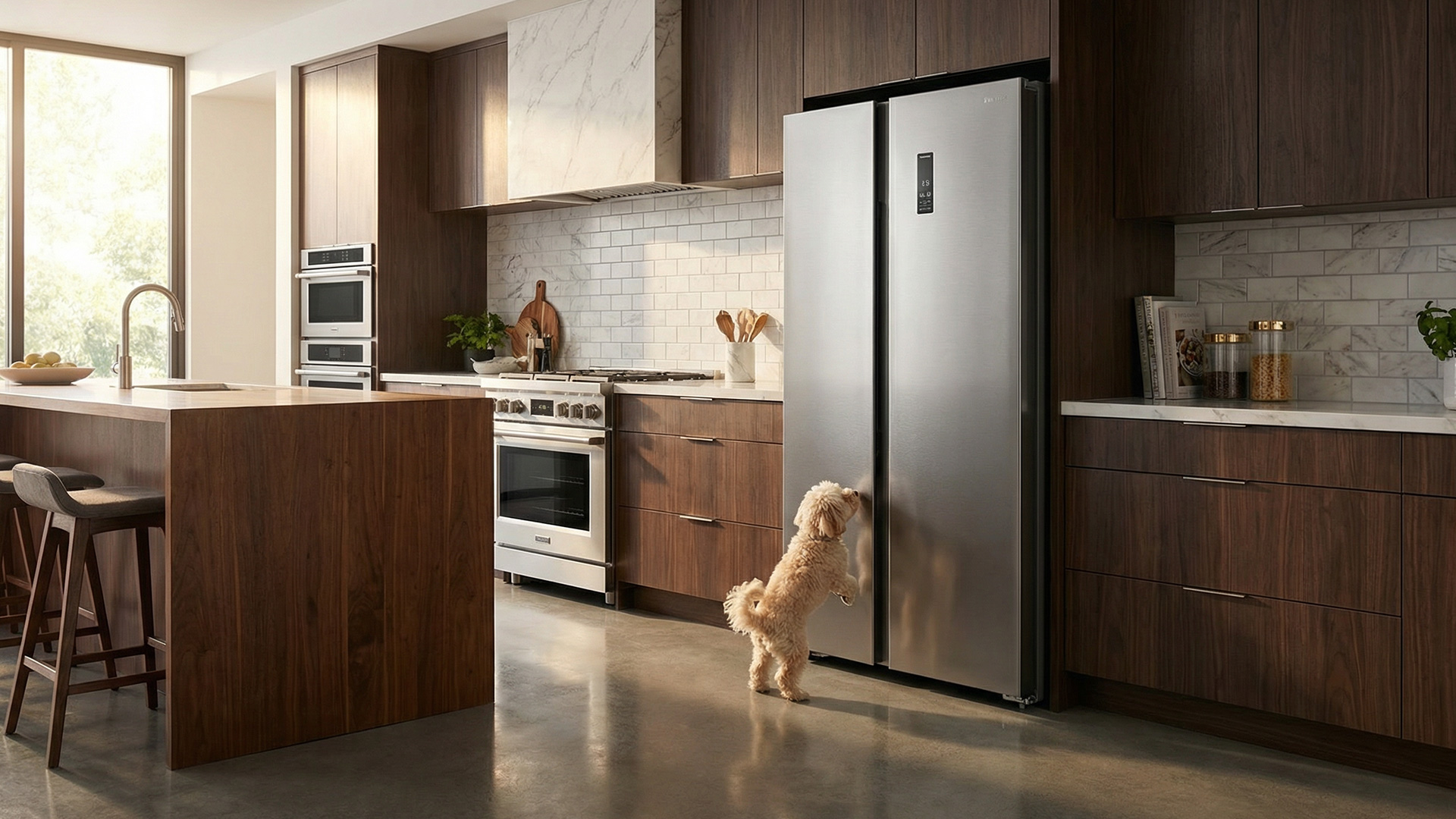
This is why, at Homa, we have paid close attention to the relationship between technology and meaning. A function only becomes valuable when it can be understood, trusted and used. The most advanced refrigerator is not necessarily the one with the longest list of features. It is the one that makes complexity feel simple.
The fourth shift concerns the role of the industrial partner. Traditionally, an OEM was often seen as the company behind the product: efficient, capable, reliable, but largely invisible. That role is changing. Brands and retailers now need industrial partners able to provide platforms, technical depth, design sensitivity, manufacturing scale and strategic flexibility.
In this context, Homa's role is not to compete with the identity of its partners. It is to enable it.
A strong industrial platform should act as a canvas. It should allow a brand to integrate its own technologies, express its own vision of food preservation and speak its own language to the market. For private label partners, the challenge may be different: the product must not only be competitive, but also coherent with the retailer's promise and consumer relationship. In both cases, manufacturing is no longer only execution. It becomes a strategic layer of brand value.
This is where Europe and China can meet in a more contemporary way. China should no longer be understood only as a manufacturing geography. It is an industrial ecosystem where scale, engineering, supply chain density and speed of execution can converge. Europe, with its culture of design, brand sensitivity, market interpretation and consumer nuance, can help transform that capability into meaning.
Food preservation, in this sense, is becoming a new strategic territory. It is technical, but also cultural. It is industrial, but also emotional. It is connected to health, sustainability, convenience, hospitality and the changing rituals of the home.
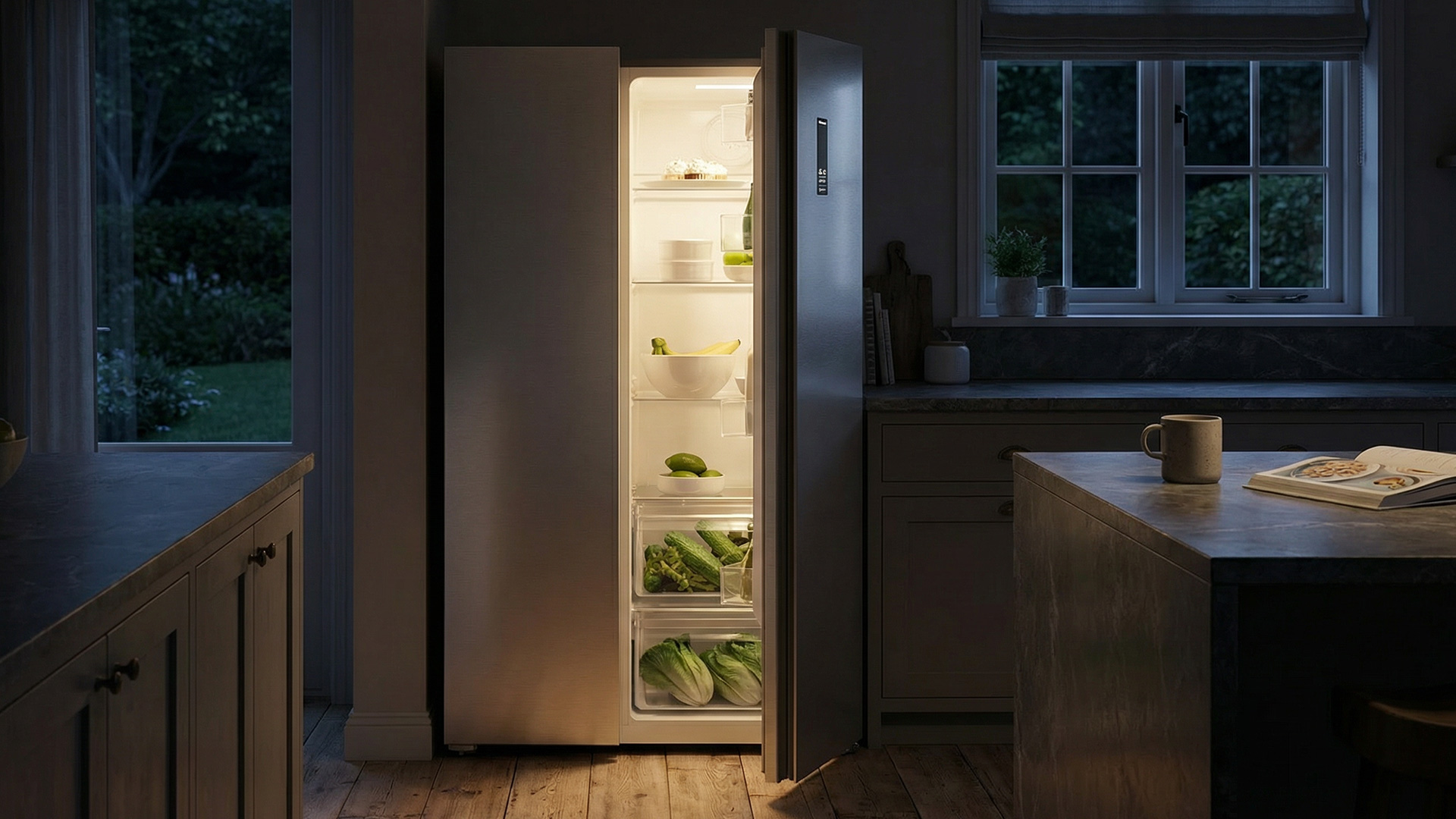
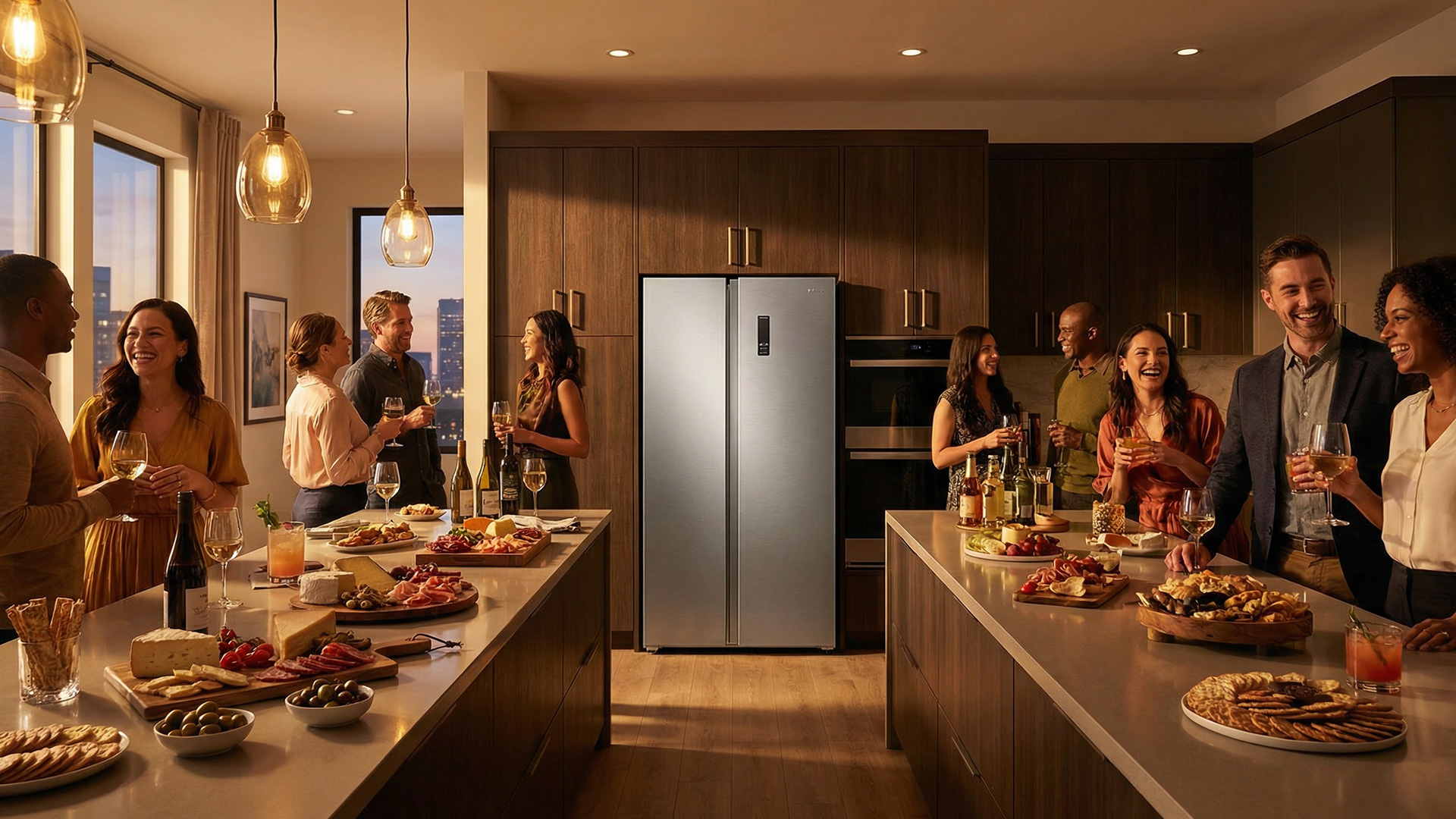
The refrigerator remains a familiar object, but its role is expanding. It is the place where everyday nourishment is stored, where family routines intersect, where personal choices become visible and where the invisible work of technology can protect freshness, reduce waste and support better living.
The next generation of refrigeration will not succeed by making technology louder. It will succeed by making technology more human.
The real revolution will not always be something we see. More often, it will be something we feel: food that lasts better, spaces that make more sense, interfaces that speak more clearly, brands that can express their own preservation philosophy and industrial partners able to make that possible.
That is the future of food preservation.
And it is already taking shape.
Federico Rebaudo, General Manager at Homa Europe
This article is part of Strategic Perspectives, an editorial series by Federico Rebaudo, General Manager at Homa Europe.
The series explores how OEM manufacturing is evolving beyond industrial execution, connecting food preservation, design thinking, consumer understanding, technology, marketing culture and strategic
partnership.
Continue exploring the series:
. From OEM to Technology Enabler
. When Design Becomes Language
. The Data-Driven Refrigerator
Copyright HOMA 2026 Issued By Homa Marketing dept. on January 2026
For further Information and Press Contacts: info@homaeurope.eu